In the landscape of modern nutritional science, few botanical discoveries have garnered as much attention as the Bergamot orange (Citrus bergamia). Known primarily for providing the distinct aroma of Earl Grey tea, this Mediterranean citrus fruit has emerged as a powerhouse for metabolic and cardiovascular health. However, the true potential of Bergamot is realized when it is part of a synergistic formula.
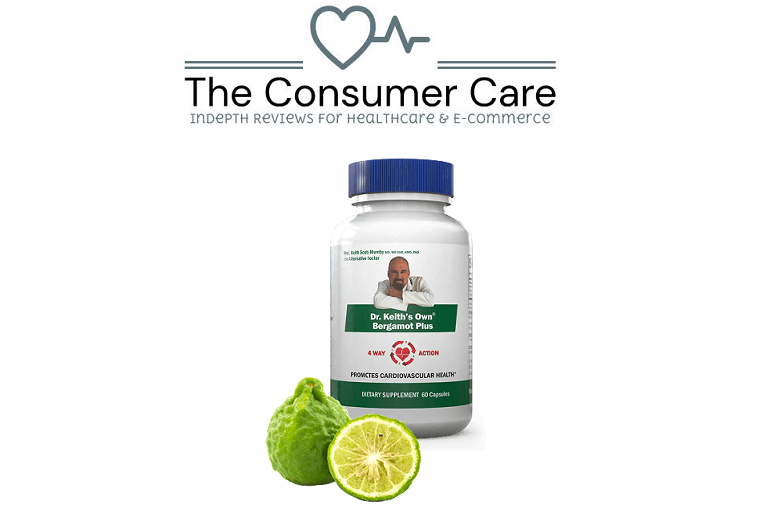
Bergamot Plus represents a clinical-grade approach to heart health, insulin sensitivity, and lipid management. By combining high-potency Bergamot polyphenols with a strategic “plus” factor—a blend of Berberine, Cinnamon, Artichoke, and other hepatoprotective botanicals—this supplement addresses the root causes of metabolic syndrome.
In this comprehensive guide, we will explore the intricate science behind Bergamot Plus, the synergy of its ingredients, and how it serves as a natural alternative or adjunct for those seeking to optimize their cholesterol, glucose, and liver function.
What Is Bergamot Plus?
Bergamot Plus is a proprietary dietary supplement capsule blend that centers on a high‑potency citrus bergamot (Citrus bergamia) extract, often standardized as a polyphenolic fraction (BPF) sourced from the juice and pith of the Calabrian bergamot orange. In addition to bergamot, the product typically layers in berberine, cinnamon bark, artichoke leaf, milk thistle seed, turmeric root, ginger root, and olive leaf extract, either in a single‑bottle formula or as part of a broader “Bergamot Synergy Plus–style” line. The stated purposes include:
-
Supporting healthy total cholesterol and low‑density lipoprotein (LDL) levels.
-
Promoting blood‑lipid and triglyceride balance, alongside modest improvements in high‑density lipoprotein (HDL).
-
Helping to maintain blood‑glucose and metabolic‑health markers, especially in individuals with mildly elevated readings.
-
Delivering broad‑spectrum antioxidant and anti‑inflammatory support for arteries and cellular systems.
Commercial pages for Bergamot Plus‑type formulas emphasize “heart health,” “improved blood flow,” “energy,” and “natural cholesterol‑support,” positioning the product as an alternative or complement to traditional statin‑based approaches, albeit as a supplement, not a prescription medicine.
The Science of Citrus Bergamia: The Core Ingredient
The Bergamot orange is unique among citrus fruits because it contains exceptionally high concentrations of two specific flavonoids: Brutieridin and Melitidin. These compounds have been scientifically shown to inhibit the HMG-CoA reductase enzyme—the same enzyme targeted by statin medications—but through a different, more natural mechanism that preserves the body’s levels of CoQ10.
Clinical Benefits of Bergamot Extract:
-
Lipid Profile Optimization: Clinical studies indicate that Bergamot polyphenols can significantly lower LDL (bad) cholesterol and triglycerides while simultaneously increasing HDL (good) cholesterol.
-
LDL Subclass Modification: One of the most critical factors in heart disease is the size of LDL particles. Small, dense LDL is highly atherogenic (plaque-forming). Bergamot helps shift these into “Large, Buoyant” LDL particles, which are less likely to stick to arterial walls.
-
Endothelial Function: Bergamot supports the health of the endothelium (the inner lining of blood vessels), promoting better nitric oxide production and arterial flexibility.
Core Mechanism: Bergamot Polyphenols and HMG‑CoA Modulation
At the heart of Bergamot Plus is the bergamot polyphenolic fraction (BPF), a concentrated extract rich in unique flavonoids such as neoeriocitrin, naringin, neohesperidin, rutin, rhoifolin, and the rare alkaloid‑like compounds brutieridine and melitidine. These phenolics are believed to influence several interconnected pathways:
-
Cholesterol‑synthesizing enzymes: Brutieridine and melitidine appear to down‑regulate HMG‑CoA reductase, the same enzyme inhibited, often more aggressively, by statin drugs, thereby reducing endogenous cholesterol production.
-
Lipid oxidation and LDL quality: Bergamot polyphenols help quench free radicals, reducing oxidative modification of LDL particles, which may lower the pro‑atherogenic potential of “bad” cholesterol.
-
Glucose metabolism: Some human and animal studies report that bergamot supplementation can modestly lower fasting glucose and improve insulin sensitivity, likely via effects on AMP‑activated protein kinase (AMPK) and downstream signaling.
A 2019 review of 12 clinical trials found that various oral bergamot preparations reduced total cholesterol by roughly 12–31%, LDL by about 8–41%, and triglycerides by 12–40%, while often increasing HDL by 4–28%. These effects are generally observed at doses around 500–1,000 mg of bergamot polyphenol fraction per day, which aligns with typical commercial dosing on Bergamot Plus‑category products.
Decoding the “Plus”: The Synergistic Ingredients
While Bergamot is the star, the efficacy of Bergamot Plus lies in its complex formulation. Each ingredient is selected to address a specific pillar of metabolic health.
1. Berberine (The Metabolic Master Switch)
Berberine is an alkaloid extracted from plants like Goldenseal and Barberry. It is often referred to as “natural Metformin” because of its ability to activate AMPK (Adenosine Monophosphate-activated Protein Kinase).
-
Insulin Sensitivity: It helps cells take up glucose more efficiently, lowering fasting blood sugar.
-
Lipid Metabolism: Berberine works synergistically with Bergamot to clear LDL from the bloodstream by increasing the activity of LDL receptors in the liver.
2. Cinnamon Bark Extract
Cinnamon is more than a spice; it contains bioactive compounds that mimic insulin. In Bergamot Plus, Cinnamon Bark Extract helps prevent the rapid “spiking” of blood sugar after meals, reducing the oxidative stress that damages blood vessels.
3. Artichoke Leaf Extract
Artichoke leaf is a traditional digestive aid that plays a vital role in cholesterol management. It promotes choleretic activity, meaning it increases bile production. Since cholesterol is a primary component of bile, increasing bile flow helps the body “flush” excess cholesterol through the digestive tract.
4. Milk Thistle Seed Extract (Silybin)
The liver is the primary organ responsible for processing cholesterol. Milk Thistle contains Silymarin, which protects liver cells from toxins and inflammation. By supporting liver health, Bergamot Plus ensures the body can efficiently process and eliminate metabolic waste.
5. Turmeric Root Extract (Curcumin)
Inflammation is the “silent killer” in cardiovascular disease. Turmeric provides Curcumin, a potent anti-inflammatory agent that prevents the oxidation of cholesterol. Oxidized cholesterol is what ultimately leads to plaque buildup (atherosclerosis).
6. Ginger Root Extract
Ginger serves two purposes in this formula: it aids in the absorption of the other botanical extracts and provides additional systemic anti-inflammatory support.
7. Olive Leaf Extract
Rich in Oleuropein, Olive Leaf Extract is a powerful vasodilator. It helps lower blood pressure by relaxing the smooth muscles of the blood vessels, complementing Bergamot’s effects on the lipid profile.
How Bergamot Plus Works in the Body: A Multi-Step Process
To understand why Bergamot Plus is effective, one must look at the “Metabolic Loop.”
-
The Liver Phase: Artichoke and Milk Thistle prepare the liver to process lipids. Bergamot and Berberine then signal the liver to stop overproducing cholesterol and start pulling more LDL out of the blood.
-
The Bloodstream Phase: Olive leaf and Turmeric protect the circulating lipids from oxidation and keep the blood vessel walls “slippery” and inflammation-free.
-
The Cellular Phase: Berberine and Cinnamon activate the cellular machinery (AMPK) to burn glucose for energy rather than storing it as fat or allowing it to linger in the blood.
Who Should Consider Bergamot Plus?
This supplement is specifically formulated for individuals who fall into the following categories:
-
Individuals with Dyslipidemia: Those struggling with high LDL or low HDL who prefer a natural approach or cannot tolerate the side effects of statins (such as muscle pain).
-
Metabolic Syndrome Patients: Those dealing with the “triad” of high blood pressure, high blood sugar, and abdominal obesity.
-
Prediabetics: Anyone looking to stabilize blood sugar levels through improved insulin sensitivity.
-
Liver Health Enthusiasts: Those with Non-Alcoholic Fatty Liver Disease (NAFLD) who need to reduce fat accumulation in the liver.
Typical Dosage and Usage Guidelines
Commercial Bergamot Plus‑brand pages and similar formulas commonly recommend:
-
Two capsules per day, taken with meals unless otherwise directed.
-
Standard serving sizes: Often around 500–1,000 mg of bergamot extract per day, along with clinically relevant amounts of berberine (commonly 500–1,000 mg/day), cinnamon bark, artichoke leaf, milk thistle, turmeric, ginger, and olive leaf.
Because berberine and cinnamon can influence blood sugar and berberine may interact with certain medications, manufacturers generally advise:
-
Taking the supplement under medical supervision if you are on oral hypoglycemics, insulin, blood‑pressure drugs, or statins.
-
Monitor blood‑glucose and lipid panels periodically, especially if using the product for several months.
Duration of use is typically indefinite for maintenance, provided there are no adverse effects, and blood‑work remains within target ranges.
Safety, Side Effects, and Interactions
Bergamot Plus is generally presented as a well‑tolerated blend when used as directed, but several considerations apply:
-
Berberine‑related: Berberine can cause mild gastrointestinal upset (gas, bloating, diarrhea) in some people and may interact with drugs metabolized by CYP3A4 and P‑glycoprotein (e.g., certain statins, calcium‑channel blockers, immunosuppressants).
-
Cinnamon and coumarin: Cassia cinnamon contains coumarin, which in high doses can be hepatotoxic; Ceylon‑type cinnamon is preferred because it contains much less coumarin.
-
Liver and kidney function: Given the presence of milk thistle, berberine, and bergamot, individuals with severe liver or kidney disease should consult a physician before starting.
-
Pregnancy and lactation: None of these ingredients has been sufficiently studied in pregnancy or breastfeeding, so use is usually discouraged in these populations unless explicitly approved by a clinician.
Marketing pages for Bergamot Plus‑type products typically state that they are non‑GMO, gluten‑free, and suitable for vegetarians/vegans, which broadens accessibility for people with common dietary restrictions.
Frequently Asked Questions (FAQs)
Q. What exactly is Bergamot Plus?
Bergamot Plus is a proprietary herbal–nutraceutical capsule blend that combines concentrated citrus bergamot extract with berberine, cinnamon bark, artichoke leaf, milk thistle seed, turmeric root, ginger root, and olive leaf extract. It is formulated to support healthy cholesterol, blood sugar, blood flow, and overall cardiovascular and metabolic wellness.
Q. Does Bergamot Plus cause muscle aches?
Unlike statins, Bergamot Plus does not typically cause Myalgia (muscle pain). This is because it does not block the mevalonate pathway to the same extreme degree that synthetic drugs do, thus preserving the body’s natural production of Co-Enzyme Q10.
Q. Can I take this if I am already on blood pressure medication?
Bergamot Plus contains Olive Leaf Extract, which has mild blood-pressure-lowering effects. If you are on antihypertensive drugs, monitor your blood pressure closely and consult your doctor, as a dosage adjustment of your medication might eventually be necessary.
Q. Is Bergamot Plus safe for long-term use?
Yes. The ingredients in Bergamot Plus, such as Turmeric, Ginger, and Milk Thistle, are generally recognized as safe (GRAS) for long-term consumption and provide cumulative benefits for liver and heart health.
Q. How long does it take to see results in my blood work?
While some people see changes in 30 days, it takes roughly 12 weeks (90 days) for the full lipid-modulating effects to be reflected in a standard lipid panel.
Q. Are there any contraindications?
Individuals with gallbladder issues (due to the bile-stimulating effects of Artichoke) or those who are pregnant or breastfeeding should consult a physician. Because Berberine lowers blood sugar, diabetics on insulin should monitor for hypoglycemia.
Q. What makes Bergamot “Plus” better than just plain Bergamot?
Plain Bergamot focuses almost entirely on cholesterol. Bergamot Plus addresses the entire metabolic picture—blood sugar, liver health, and systemic inflammation—making it a more holistic solution for cardiovascular wellness.
Conclusion: A Proactive Approach to Heart Health
The modern diet and lifestyle have led to an epidemic of metabolic dysfunction. Bergamot Plus offers a scientifically validated, multi-faceted tool for those looking to reclaim their health. By addressing cholesterol, blood sugar, and liver function simultaneously, it provides a comprehensive shield against the complications of cardiovascular disease.
Whether you are looking to avoid pharmaceutical intervention or simply want to optimize your biological markers, Bergamot Plus stands as one of the most robust natural formulations available today.