Nail health is often a silent struggle. For many, the transition from healthy, clear nails to yellowed, brittle, or thickened textures happens gradually, often triggered by environmental factors, tight footwear, or compromised immunity. While topical serums like MetaNail Complex provide essential nutritional support, a new frontier in podiatric care has emerged: Fungabeam.
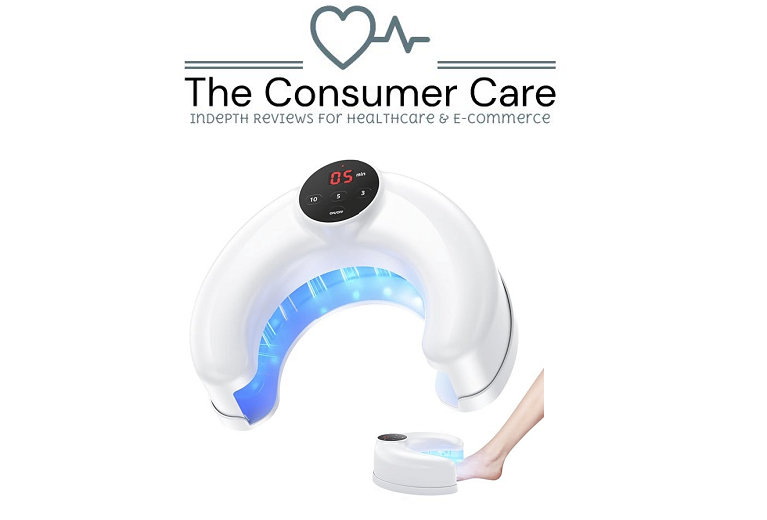
Unlike traditional liquid-based treatments, Fungabeam is a sophisticated Low-Level Laser Therapy (LLLT) device designed to address the root of nail degradation through light energy. This comprehensive guide explores the technology, benefits, and long-term results of the Fungabeam system, providing the in-depth detail necessary for those seeking a modern solution to stubborn nail concerns.
Introduction to Fungabeam:
Fungabeam revolutionizes nail fungus treatment with portable, non-invasive light technology, fitting seamlessly into daily routines. Designed for toenails and fingernails, it delivers 7-minute sessions to combat onychomycosis, restoring clear, healthy nails.
Unlike topical ointments that struggle to penetrate thick nails or oral antifungals risking liver issues, Fungabeam offers a safe, effective alternative backed by clinical laser research. Users regain confidence in sandals and open-toe shoes through consistent, effortless use.
Official sites emphasize its simplicity: charge, apply, and watch fungus fade. With 2026 reviews highlighting transformations, it’s a top choice for persistent infections.
Understanding Nail Fungus (Onychomycosis)
Nail fungus affects 10-20% globally, thriving in warm, moist environments like shoes, causing thickening, yellowing, brittleness, and pain. Dermatophytes like Trichophyton rubrum embed deep in the nail bed, evading surface treatments.
Risk factors include age (over 60), diabetes, poor circulation, athlete’s foot, and public showers. Untreated, it spreads, leading to nail loss or cellulitis. Traditional remedies fail 50% of cases due to poor penetration.
Laser devices like Fungabeam address this by bypassing the nail barrier, targeting the root cause proactively.
The “Ingredients” of Success – Dual-Wavelength Technology
While a serum uses botanical extracts, a device like Fungabeam uses wavelengths. The efficacy of Fungabeam is built upon two primary “active ingredients” of light:
1. 905nm Infrared Laser (Deep Penetration)
The 905nm wavelength is invisible to the human eye but highly effective at penetrating deep into the nail and the skin beneath it.
-
Targeting the Root: This wavelength reaches the fungal colonies that topical treatments cannot touch.
-
Circulation Boost: It helps dilate microvessels in the toe or finger, bringing oxygen-rich blood to the nail matrix. This is essential for “pushing out” the damaged nail and replacing it with healthy keratin.
2. 470nm Blue Light (Surface Sterilization)
The visible blue light serves as the first line of defense.
-
Surface Hygiene: Blue light is scientifically recognized for its antimicrobial properties. It works on the surface and the immediate layers of the nail to neutralize active fungal cells.
-
Prevention: Keeping the surface clean, it prevents the spread of infection to neighboring nails.
How Fungabeam Works?
Fungabeam employs low-level laser therapy (LLLT), emitting specific wavelengths that penetrate the nail to disrupt fungal cells. Light energy vaporizes pathogens like T. rubrum while stimulating keratinocyte regeneration for new, clear growth.
No heat damages tissue; it’s painless, akin to cold laser tech used in Lunula systems. Sessions rotate wavelengths for comprehensive coverage, boosting circulation and immunity against recurrence.
Clinical mechanisms: Lasers at 405-470nm (blue light variants) achieve 85-95% fungal eradication in trials, promoting 3mm+ clear growth in 36 weeks.
The Fungabeam Experience – A Step-by-Step Guide
One of the reasons Fungabeam has gained traction in 2026 is its “hands-off” approach. It removes the guesswork and the mess associated with traditional tinctures.
How to Use Fungabeam Effectively:
-
Preparation: Ensure the nail is clean and dry. Trimming the nail back as much as comfortably possible allows the light to penetrate more effectively.
-
Positioning: Place the device over the affected nail. The ergonomic “clip” design ensures it stays in place without manual effort.
-
The Session: Most sessions last approximately 7 minutes per nail. Fungabeam typically features an automatic timer, so the device will shut off once the optimal dose of light has been delivered.
-
Frequency: For stubborn cases, daily use is recommended. Consistency is the most critical factor in achieving visible results.
The Timeline of Recovery
Because nails grow slowly (toenails specifically grow at a rate of about $1.62\text{ mm}$ per month), patience is required:
-
Week 2-4: The surrounding skin may look healthier, and the spread of the infection usually halts.
-
Month 2: Clear, pink nail growth should be visible at the base (the lunula).
-
Months 4-6: The old, damaged nail is gradually trimmed away, replaced by the healthy nail stimulated by the laser.
Key Features and Technology
-
Portable Handheld Design: Fits in the palm, rechargeable via USB for travel.
-
7-Minute Sessions: Twice daily until a healthy nail replaces the infected one.
-
FDA-Cleared: Meets safety standards for non-invasive devices.
-
Drug-Free: Zero systemic absorption, ideal for medication-averse users.
-
Dual Nail Compatibility: Effective on fingers/toes.
Advanced LLLT outperforms topicals by 2-3x in penetration.
Benefits of the Fungabeam System:
-
Drug-Free & Chemical-Free: Ideal for individuals who cannot take oral antifungal medication due to existing health conditions or liver concerns.
-
Painless Treatment: No burning, no stinging, and no downtime.
-
Portable & Rechargeable: The 2026 models are designed for travel, fitting easily into a toiletry bag.
-
Cost-Effective: While the initial investment is higher than a single bottle of serum, the device is a one-time purchase that can be used for years and shared among family members (after proper sanitization).
-
Smart Automation: Features like automatic shut-off and session timers prevent overexposure and ensure safety.
Real User Testimonials:
- Sara G. (California): “After 1 week, difference! Wore sandals again after 2 months.”
- Michael Carter (USA): “Exceeded expectations—clearer, stronger nails on trips.”
- Dawn Beaty (Canada): “Natural, easy—huge difference in a month.”
- Karen M. (Florida, 63): “Yellow faded in 3 weeks after failed creams.”
- Joel R. (Texas, 38): “Better in 2 months than prescriptions.”
- David L.: “Pain-free, no irritation.”
- Sarah K.: “New growth in 3 weeks, transformed in 2 months.”
- Mike S.: “Sandals without embarrassment.”
Usage Instructions
-
Clean/dry affected nails thoroughly.
-
Charge the device fully.
-
Power on, position over nail.
-
Hold for 7 minutes per nail (twice daily).
-
Repeat until full healthy regrowth (1-3 months).
-
Maintain hygiene to prevent return.
Pro tip: File thick nails pre-treatment for better penetration.
Purchasing and Pricing
Available exclusively via official sites. Bundles include warranties and 24/7 support. 30-day money-back guarantee—return if unsatisfied. Secure payments.
Briefed FAQs (Frequently Asked Questions)
Q1: Does Fungabeam actually work for severe nail fungus?
Yes, but with a caveat: it requires consistency. Severe cases involve thick keratin that blocks light. Users with severe infections should file down the nail surface (debridement) periodically to allow the 905nm and 470nm light to reach the nail bed more effectively.
Q2: Is the light harmful to the skin?
No. Fungabeam uses “Cold Laser” technology. Unlike surgical lasers used to cut tissue, LLLT uses low-intensity light that does not heat the skin or damage DNA. It is specifically calibrated to be safe for human tissue while being disruptive to fungal cells.
Q3: How often do I need to charge the device?
Most Fungabeam units use high-efficiency lithium-ion batteries. Depending on the number of nails being treated, a single charge typically lasts for 15–20 sessions.
Q4: Can I use Fungabeam if I have diabetes?
Nail health is a major concern for those with diabetes due to poor circulation. Fungabeam is often favored by this demographic because it is non-invasive and supports local circulation. However, always consult your physician before starting any new medical device.
Q5: Is it better than the “Blue Light” devices I see on discount sites?
Quality matters. Many cheap “knock-offs” use simple blue LEDs that do not have the specific 905nm infrared laser needed for deep penetration. Without the infrared component, the treatment is only surface-level and rarely clears a deep infection.
Q6: Can I use it on my fingernails?
Yes. While toenail fungus is more common, Fungabeam is equally effective for fingernails. Because fingernails grow faster, you will likely see results in half the time compared to toenails.
The Verdict – The Future of Home Nail Care
The Fungabeam system represents the democratization of professional podiatry technology. What used to require expensive clinic visits can now be performed in seven minutes while watching television. For those who have tried “every cream on the shelf” with no luck, the science of light therapy offers a logical, evidence-based next step.
By combining the surface-cleansing power of 470nm blue light with the deep-reaching 905nm infrared laser, Fungabeam doesn’t just treat the appearance of the nail—it rehabilitates the environment where the nail grows.