The Pulsetto Fit is a compact, non‑invasive vagus nerve stimulator designed to help users manage stress, improve sleep, sharpen focus, and support overall nervous‑system balance—all in around 4 minutes per day. Marketed as a “lifestyle‑tech” wellness device rather than a medical treatment, Pulsetto Fit has gained traction among biohackers, busy professionals, and individuals struggling with chronic stress, insomnia, and brain fog.
As the flagship wearable from Pulsetto, the “Fit” model represents a significant leap in consumer-grade biohacking. By targeting the vagus nerve—the body’s “superhighway” of relaxation—this device promises to manually flip the switch from high-alert stress to deep, restorative calm.
In this comprehensive guide, we delve into the science, the technology, and the real-world performance of the Pulsetto Fit to see if it truly lives up to the hype of being the “remote control for your nervous system.”
What Is Pulsetto Fit?
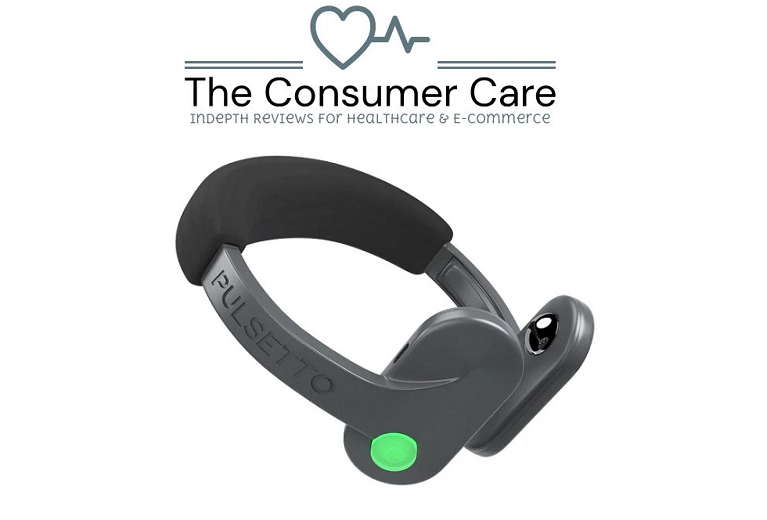
Pulsetto Fit is the second‑generation version of the original Pulsetto vagus nerve stimulator, combining transcutaneous electrical nerve stimulation (TENS) with a new pulsating, breath‑synced mode delivered via a lightweight, magnetic neckband. The device is marketed as a non‑invasive, at‑home vagus nerve stimulator that helps “switch” the nervous system from a chronic “fight‑or‑flight” (sympathetic) state into a more relaxed “rest‑and‑digest” (parasympathetic) state.
Unlike implantable VNS devices used in epilepsy or depression treatment, Pulsetto Fit does not require surgery and is sold as a wellness and recovery tool, not a prescription medical device. It is designed to be worn around the neck, where the outer electrodes align with the cervical branches of the vagus nerve on both sides, allowing for bilateral, hands‑free stimulation.
Key Upgrades in the “Fit” Model:
-
Dynamic Comfort: Includes two sets of removable paddings to ensure the electrodes maintain consistent contact with the vagus nerve, regardless of neck circumference.
-
Wave-Like Stimulation: A new software-driven “pulsating” mode that mimics natural biological rhythms rather than a static buzz.
-
Extended Endurance: A battery life boost of 20% over the previous generation.
-
Lightweight Portability: At just a few ounces, it is designed for use at a desk, on a plane, or in bed.
The Science: How the Vagus Nerve Stimulation Device (VNS) Works
To understand why the Pulsetto Fit matters, one must understand the Vagus Nerve. Also known as the “wandering nerve,” it is the longest cranial nerve in the body, stretching from the brainstem down to the abdomen, touching the heart, lungs, and digestive tract along the way.
The Parasympathetic Brake
The vagus nerve is the primary component of the parasympathetic nervous system (PNS). While the sympathetic nervous system acts as the “accelerator” (increasing heart rate and cortisol), the vagus nerve acts as the “brake.”
When you use the Pulsetto Fit, the device sends low-level electrical signals to the cervical branch of the vagus nerve in the neck. These signals travel to the brainstem’s Nucleus Tractus Solitarius (NTS). The NTS then broadcasts a “safe” signal to the rest of the brain, triggering the release of calming neurotransmitters like GABA, acetylcholine, and serotonin.
Biological Outcomes of tcVNS:
-
HRV Improvement: Heart Rate Variability (HRV) is the gold standard metric for nervous system resilience. Higher HRV indicates a healthy, flexible nervous system. Pulsetto helps “train” the vagus nerve to increase this variability.
-
Cortisol Reduction: Regular stimulation has been shown to dampen the production of stress hormones.
-
Alpha Wave Activation: Preliminary 2025 studies on Pulsetto users suggest an increase in alpha-wave brain activity—the state of “relaxed alertness” associated with meditation.
What Unique Features Does Pulsetto Fit Offer?
Pulsetto Fit is positioned as an upgraded evolution of the original Pulsetto and Pulsetto Lite models, with several meaningful hardware and usability improvements.
1. Dual‑Technology TENS + Pulsating Mode
Pulsetto Fit uses dual‑electrode TENS technology to deliver gentle electrical pulses to both sides of the vagus nerve simultaneously. In addition, it offers a new “pulsating mode”—a rhythmic, wave‑like stimulation that syncs with breathing to deepen parasympathetic engagement.
Early user reports describe the pulsating mode as feeling like a “mini massage” along the neck, helping the body relax more quickly than standard continuous pulses.
2. Custom‑Fit Magnetic Padding
The device includes two removable magnetic paddings that allow users to adjust the neckband for different neck sizes. This “custom fit” design aims to:
-
Ensure consistent contact with the vagus nerve area
-
Improve comfort during daily use
-
Reduce the need for constant re‑adjustment
This is a notable upgrade over the standard adjustable band of the Pulsetto Lite, which some users found less snug or stable.
3. Longer Battery Life and Tougher Build
Pulsetto Fit offers about 20% longer battery life compared with earlier versions, translating to roughly 1.2 weeks of daily four‑minute sessions on a single charge. The device is built with reinforced materials, making it more resistant to wear and tear during daily transport, gym sessions, or commutes.
4. App‑Connected Programs and Insights
Pulsetto Fit works in tandem with the Pulsetto app (iOS/Android), which offers:
-
Five free expert‑designed stimulation programs
-
Custom soundscapes and guided breathing exercises
-
Premium‑only features such as sleep and heart‑rate‑variability (HRV) insights, plus additional programs
The app also allows users to:
-
Track session frequency
-
Adjust timer settings for finer control over session length
-
Monitor stress and wellness trends over time
This combination of hardware and app‑based analytics makes Pulsetto Fit more of a holistic nervous‑system training tool than a simple “push‑button stimulator.”
Health and Wellness Benefits of the Pulsetto Fit Device:
Pulsetto Fit is not marketed as a cure‑all, but rather as a daily nervous‑system support tool. The manufacturer and independent reviewers highlight several recurring benefits supported by anecdotal and emerging clinical‑adjacent evidence.
1. Stress and Anxiety Reduction
Chronic stress keeps the sympathetic nervous system in a constant “on” state, which can lead to irritability, fatigue, and burnout. By stimulating the vagus nerve, Pulsetto Fit aims to:
-
Activate the parasympathetic nervous system
-
Slow heart rate and easy breathing
-
Lower subjective feelings of tension and overwhelm
User testers and reviewers report noticeable reductions in daily stress and anxiety after consistent use, often within days or weeks of daily four‑minute sessions.
2. Better Sleep and Recovery
Poor sleep and difficulty winding down are common modern complaints. Pulsetto Fit is frequently used in the evening or before bed to:
-
Calm the nervous system and reduce “mental chatter.”
-
Support smoother transitions into sleep
-
Potentially improve sleep quality and reduce nighttime awakenings
Some users note that they fall asleep more easily and wake up feeling slightly more refreshed, especially when combining Pulsetto with good sleep hygiene.
3. Improved Focus and Mental Clarity
Brain fog, distraction, and mental fatigue can follow chronic stress or poor sleep. By reducing background nervous‑system noise and promoting a calmer baseline state, Pulsetto Fit may help:
-
Enhance concentration
-
Reduce “scatter” and mental fatigue
-
Support clearer decision‑making and emotional regulation
Reviewers and long‑term users often mention better focus at work or during creative tasks, especially when used in the morning or during mid‑day reset breaks.
4. Heart Rate Variability (HRV) and Resilience
Heart rate variability (HRV) is a key biomarker of autonomic balance and overall resilience. Higher HRV generally correlates with better stress tolerance and cardiovascular health.
Pulsetto Fit’s app‑based tracking (especially in Premium) can display HRV trends and sleep patterns, helping users see how their nervous‑system balance shifts over time. While Pulsetto does not replace medical diagnostics, it can serve as a daily biofeedback tool to encourage better recovery habits.
5. Digestive and Gut‑Brain Support
The vagus nerve plays a major role in the gut‑brain axis, regulating digestion, motility, and gut‑brain communication. By stimulating this pathway, some users report:
-
Easier digestion
-
Reduced bloating
-
Less “stress‑induced gut upset.”
These effects are typically subtle and best viewed as supportive rather than transformative, especially for individuals with diagnosed GI disorders.
6. Chronic Stress and Fatigue Management
People managing long‑term stress, burnout, or chronic fatigue often feel “stuck” in a sympathetic state. Pulsetto Fit’s value here lies in:
-
Providing a low‑effort, repeatable ritual to reset the nervous system
-
Supporting micro‑recovery during short breaks
-
Helping users build a habit of intentional relaxation
Reviewers note that consistent use over 60–90 days tends to yield more noticeable improvements than sporadic sessions.
How to Use the Pulsetto Fit for Maximum Results?
For those new to biohacking, the first session can be intimidating. Follow these steps for an optimal experience:
-
Preparation: Clean the skin on both sides of your neck where the electrodes will sit.
-
The Gel Factor: Apply a nickel-sized amount of conductive gel to the device’s electrodes. Do not be stingy; the gel ensures the current is “soft.”
-
Positioning: Slide the Pulsetto Fit onto your neck. Adjust the padding so the electrodes sit snugly against the skin, just behind the jawline.
-
The “Tingle” Test: Start the app and begin at Intensity Level 1. Slowly increase the intensity. You should feel a rhythmic “thumping” or “tingling.” You may see your neck muscles twitch slightly—this is a normal sign that the nerve is being engaged.
-
Duration: Aim for 4 to 10 minutes. Research suggests that consistency (daily use) is more important than long, infrequent sessions.
Pulsetto Benefits: What Users Report
According to internal Pulsetto data and independent reviews from platforms:
-
Stress Reduction: Users report a 64.5% average reduction in stress levels after consistent use.
-
Sleep Quality: Many users utilize the “Sleep” program 15 minutes before bed. The common feedback is a shorter “latency to sleep” (falling asleep faster) and more “Deep Sleep” recorded on wearable trackers.
-
Digestive Relief: Because the vagus nerve controls the “Rest and Digest” system, users with stress-related GI issues often report improved digestion.
-
Burnout Recovery: For those in high-pressure jobs, the “Burnout” mode acts as a “hard reset” for the nervous system during a lunch break or after a long shift.
Safety and Precautions
While tcVNS is generally safe and non-invasive, it is not for everyone.
Who should NOT use Pulsetto?
-
Individuals with pacemakers or other implanted electronic devices.
-
People with carotid atherosclerosis (narrowing of the neck arteries).
-
Pregnant women (due to a lack of specific clinical trials).
-
Individuals with a history of seizures or epilepsy should consult a doctor first.
Common Side Effects: The most common side effect is minor skin irritation from the gel or a slight headache if the intensity is set too high. If you feel pain, immediately lower the intensity or stop the session.
FAQs: Everything You Need to Know
Q1. Does the Pulsetto Fit require a subscription?
The device comes with a free lifetime version of the app that includes the 5 core programs. The “Premium” subscription ($15/month or a yearly discounted rate) is optional and adds advanced features like inflammation programs and wearable data syncing.
Q2. How long does it take to see results?
While some users feel a “wave of calm” within 4 minutes of their first session, the most profound changes in HRV and baseline anxiety typically occur after 2 to 3 weeks of daily use.
Q3. Can I use Pulsetto Fit while exercising?
No. Pulsetto is designed for use in a stationary position. Excessive movement can cause the electrodes to lose contact or create “static” in the electrical signal. It is best used while sitting or lying down.
Q4. Is Pulsetto Fit FDA Cleared?
Pulsetto is FCC and CE certified, meaning it meets safety and environmental standards. While VNS technology itself is FDA-cleared for certain medical conditions, Pulsetto is currently marketed as a wellness and stress-management device, not a medical treatment for specific diseases.
Q5. What if the device feels “shirpy” or painful?
This is almost always due to insufficient conductive gel. Ensure the gel covers the entire electrode surface and that your skin is clean of oils or lotions.
Conclusion: Is the Pulsetto Fit Worth It?
The Pulsetto Fit sits at the sweet spot of affordability and effectiveness. For under $300, it offers a hands-free, customizable way to interface with your biology. While it requires the minor “mess” of conductive gel and a commitment to daily use, the potential payoffs—better sleep, lower anxiety, and a more resilient nervous system—are significant.
In a world that won’t stop moving, the Pulsetto Fit provides a much-needed “pause button.” Whether you are a dedicated biohacker or someone simply looking to reclaim their peace of mind, this device is a formidable tool in the modern wellness toolkit.