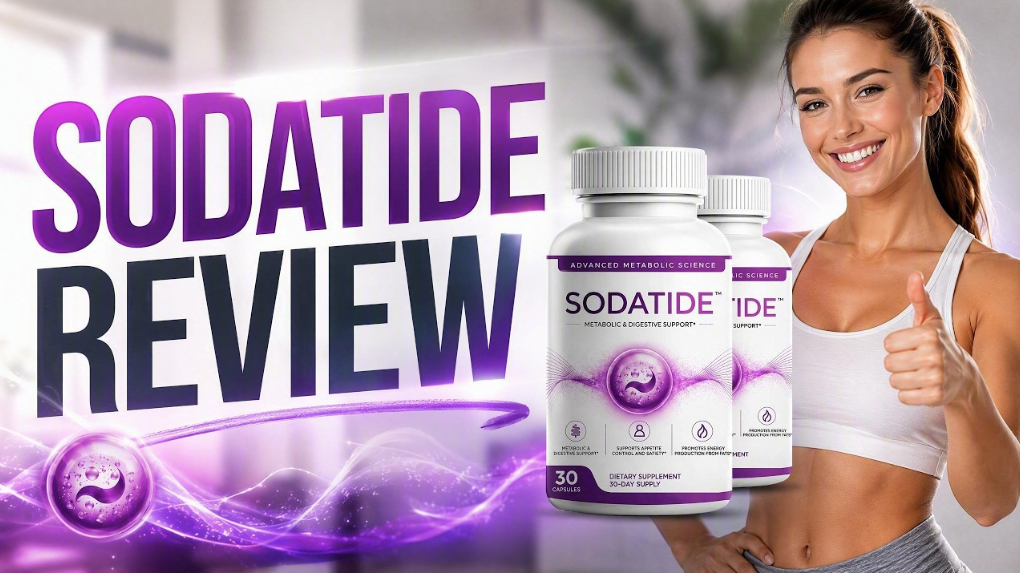
In the rapidly evolving landscape of health and wellness, the connection between the gut microbiome and overall metabolic function has become one of the most heavily researched topics of the decade. As a result, the supplement market is flooded with products promising to optimize digestion, burn fat, and enhance energy simply by altering your gut bacteria. Among the newest entrants making waves in 2026 is SodaTide, a dietary supplement positioned as an advanced synbiotic formula for weight management and metabolic support.
But with bold promises come necessary questions. Are SodaTide Capsules the breakthrough they claim to be, or are they just another overhyped product capitalizing on the gut-health trend?
In this comprehensive, editorial-quality review, we conduct a deep-dive commercial investigation into SodaTide Reviews, the science behind its ingredients, transparency issues regarding its formulation, customer complaints, and whether it truly stands up as a viable tool for weight loss.
If you are considering purchasing SodaTide Tablets to support your health journey, this 4,000+ word definitive guide will provide every piece of information you need to make an educated, health-conscious decision.
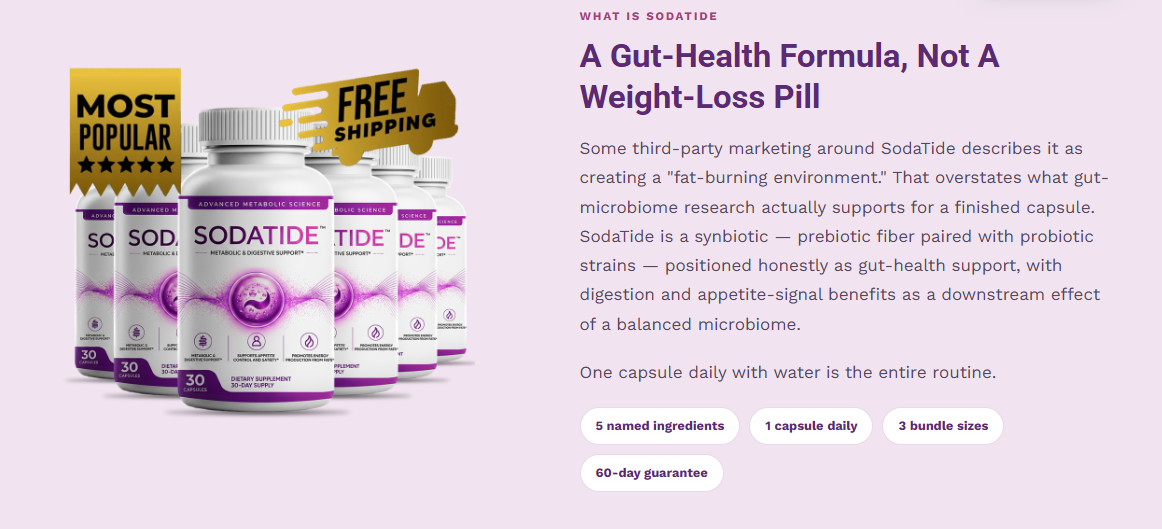
What is SodaTide Capsules Reviews?
SodaTide is a daily dietary supplement marketed toward individuals looking for natural metabolism support, appetite control, and healthy weight management. The brand specifically labels the product as an “advanced synbiotic” due to its combination of prebiotics (dietary fibers) and probiotics (live microorganisms).
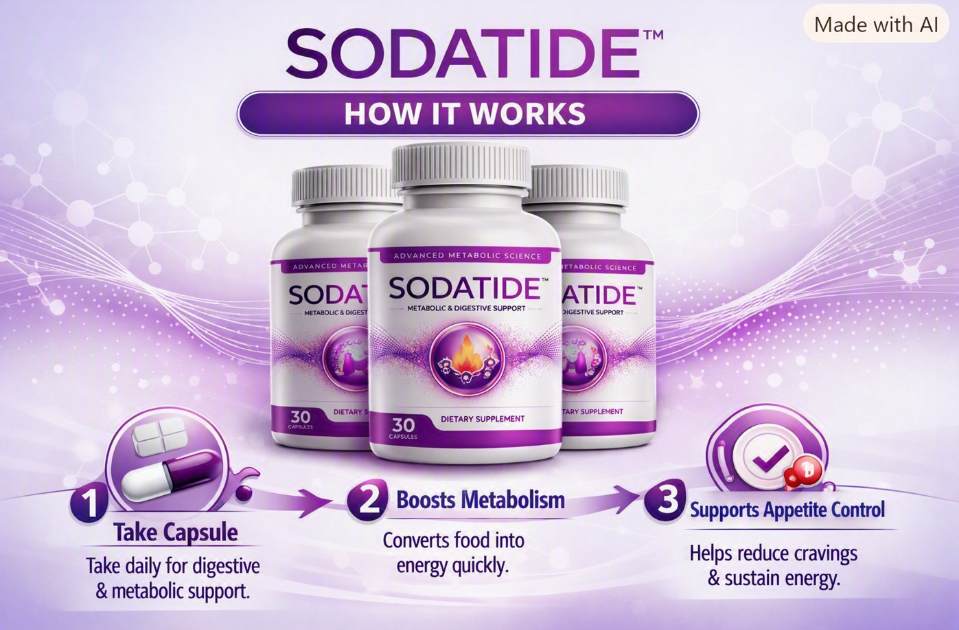
According to the manufacturer’s front-of-label claims, SodaTide is formulated to deliver three primary benefits:
-
Metabolic and Digestive Support
-
Appetite Control and Satiety (Feeling Full)
-
Energy Production from Fats
Unlike harsh stimulant-based fat burners that flood the central nervous system with caffeine to artificially boost the metabolism, SodaTide Tablets are stimulant-free. They are designed for long-term, sustainable wellness, promoting the idea that a balanced gut leads to a balanced body weight.
The Synbiotic Approach
The core identity of SodaTide Capsules relies on being a “synbiotic.”
-
Probiotics: These are the live strains of good bacteria introduced into the digestive tract.
-
Prebiotics: These are specialized plant fibers that the human body cannot digest. Instead, they pass through the small intestine intact and ferment in the colon, serving as fuel for probiotics.
While the concept is scientifically sound and widely praised by dietitians, the execution of this concept relies entirely on the specific ingredients and, more importantly, the dosages utilized in the formula.
The Gut-Weight Loss Connection
To understand the premise behind SodaTide Capsules, we first have to understand the science it claims to leverage. For decades, weight loss was viewed through a strict “calories in, calories out” lens. However, modern gastroenterology and metabolic science have revealed that the gastrointestinal (GI) tract contains a complex ecosystem of trillions of bacteria, fungi, and viruses—collectively known as the gut microbiome.
Studies show that the composition of your gut microbiome directly influences:
-
Nutrient absorption and fat storage
-
Appetite regulation and satiety signals
-
Systemic inflammation (which is linked to obesity)
-
Insulin sensitivity and blood sugar management
Certain bacterial strains, such as Akkermansia muciniphila, have been explicitly linked to leaner body compositions and better metabolic markers. Conversely, an imbalance of gut bacteria (dysbiosis) is frequently observed in individuals struggling with stubborn weight gain.
This is exactly the biological mechanism that SodaTide Metabolism Support claims to target. By providing the body with a “synbiotic” blend—meaning it contains both the live probiotics (beneficial bacteria) and prebiotics (the food those bacteria need to thrive)—SodaTide aims to re-engineer the gut environment to favor metabolic efficiency and natural weight loss.
Deep Dive into SodaTide Ingredients
An editorial investigation of SodaTide Reviews must peel back the marketing language to examine the actual supplement facts label. The ingredients list is where we find both the potential of the product and its most significant red flags.
SodaTide features a relatively minimalist formula, relying on a few key active ingredients alongside standard capsule binders.
A. Chicory Root Inulin (211 mg)
Inulin is a type of soluble dietary fiber that belongs to a class of carbohydrates known as fructans. Extracted primarily from chicory root, inulin is a highly popular prebiotic. Because human digestive enzymes cannot break it down, it travels to the lower gut where it selectively feeds beneficial Bifidobacteria and other healthy microbes.
-
The Science: Clinical studies show that inulin can improve bowel regularity, enhance mineral absorption (like calcium), and help regulate blood sugar spikes after meals. It also increases the production of short-chain fatty acids (SCFAs) like butyrate, which reduce gut inflammation.
-
The Dosage Dilemma in SodaTide: This is where our review identifies a critical issue. The SodaTide label lists 211 mg of chicory root inulin. In clinical research, therapeutic doses of inulin for digestive support and appetite regulation typically range from 3 to 10 grams (3,000 to 10,000 mg) per day. The 211 mg dose in SodaTide is a fraction of what is actively studied, raising questions about its physiological impact on appetite.
B. Potato Resistant Starch (100 mg)
Resistant starch is exactly what it sounds like: a carbohydrate that “resists” digestion in the small intestine. When it reaches the large intestine, it ferments and acts as a powerful prebiotic.
-
The Science: Resistant starch is famous for its ability to improve insulin sensitivity and promote feelings of fullness. By acting as a bulking agent and slowing down gastric emptying, it helps users consume fewer calories.
-
The Dosage Dilemma in SodaTide: Similar to inulin, the dose here is highly questionable. SodaTide contains 100 mg of potato resistant starch. Clinical trials demonstrating weight loss or profound metabolic shifts typically use 15 to 30 grams (15,000 to 30,000 mg) daily. A 100 mg dose is negligible in the grand scheme of human dietary intake.
C. The 36 mg “Probiotic Blend” (Akkermansia muciniphila)
The star player in SodaTide Metabolism Support is its proprietary probiotic blend, which the label states weighs exactly 36 mg and includes three microorganism species, most notably Akkermansia muciniphila.
-
The Science: Akkermansia muciniphila is a fascinating bacterium. It naturally makes up about 1-4% of the gut microbiome in healthy individuals. It feeds on the mucin (mucus) lining the intestines, which surprisingly encourages the gut to produce more mucus, thereby strengthening the intestinal barrier (preventing “leaky gut”). High levels of Akkermansia are correlated with lower body weight, better insulin response, and reduced systemic inflammation. Pasteurized versions of this strain have shown promise in human trials for metabolic syndrome.
-
The Transparency Issue: The most glaring red flag found in our analysis of SodaTide Reviews And Complaints is how this probiotic is measured. Probiotics are universally measured in CFUs (Colony Forming Units) or AFUs (Active Fluorescent Units), which tells the consumer exactly how many live, viable organisms are in the capsule. SodaTide only lists a weight: 36 mg.
-
Why is this bad? A milligram weight does not indicate if the bacteria are alive or dead. It does not tell you if there are 100 bacteria or 10 billion bacteria. Furthermore, because it is a “blend” of three species, consumers have no way of knowing how much of the highly sought-after Akkermansia is actually in the formula versus cheaper filler strains.
-
D. Inactive Ingredients
The product also contains hypromellose (the vegetarian capsule shell), microcrystalline cellulose (a plant-based filler), magnesium stearate (a flow agent to prevent ingredients from sticking to machinery), and silica (an anti-caking agent). These are standard, safe excipients used across the supplement industry.
Unpacking The Claims: Does SodaTide Weight Loss Actually Work?
Consumers searching for SodaTide Reviews primarily want to know one thing: Will this help me lose weight?
To answer this objectively, we must separate the potential of the ingredients from the reality of the formula.
The Argument FOR SodaTide
Proponents of the product and positive customer testimonials highlight that transitioning from a poor gut state to a supported one can kickstart stalled metabolisms. Even at lower doses, introducing prebiotics and novel probiotic strains like Akkermansia can shift the microbiome’s balance favorably. For individuals suffering from mild dysbiosis—perhaps due to a history of processed food consumption or antibiotic use—a daily synbiotic can reduce bloating, improve nutrient partitioning, and enhance daily energy levels, making it easier to stay active and adhere to a diet.
The Argument AGAINST SodaTide
From a strict clinical nutrition standpoint, SodaTide Weight Loss claims are hindered by dosage deficiencies. The amount of chicory root inulin (211 mg) and potato resistant starch (100 mg) is practically microscopic compared to what is consumed in a standard healthy diet. For context, a single medium banana can contain more resistant starch and prebiotic fiber than a whole bottle of SodaTide.
Furthermore, without a disclosed CFU count for the probiotic blend, it is impossible for medical professionals or dietitians to verify if the product meets the threshold required to colonize the gut and survive stomach acid. Weight loss achieved while taking SodaTide is highly likely to be the result of the “placebo effect” or the user simultaneously adopting a healthier diet and exercise routine (which the brand does recommend).
SodaTide Reviews And Complaints: What Are Customers Saying?
To provide a realistic look at SodaTide Capsules, we scoured the internet for verified customer feedback. The reception is notably polarized, which is common in the dietary supplement space.
The Positive Feedback
Many verified buyers report satisfactory results, particularly regarding digestive comfort rather than drastic weight loss.
-
Reduced Bloating: A high percentage of 4- and 5-star reviews mention that taking SodaTide Tablets daily helped flatten their stomach by reducing post-meal bloating and gas.
-
Improved Regularity: Users with mild constipation reported smoother, more regular bowel movements after a few weeks of use.
-
Steady Energy: Several users in their 40s and 50s noted a reduction in “brain fog” and afternoon slumps, which they attribute to better gut health and blood sugar stabilization.
-
Ease of Use: Customers appreciate the convenience of a once-daily, easy-to-swallow vegetarian capsule.
Example Positive Review:
“I was struggling with menopausal weight gain and terrible digestion. I started taking SodaTide a month ago alongside a low-carb diet. While I’ve only lost about 4 pounds, the biggest difference is how my stomach feels. The persistent bloating is gone, and I feel much lighter.” – Sarah R.
SodaTide Complaints and Red Flags
On the other side of the spectrum, searches for SodaTide Reviews And Complaints reveal valid grievances, largely echoing our editorial concerns regarding transparency.
-
Lack of Weight Loss Results: The most common 1-star and 2-star complaints come from users who took the supplement expecting rapid fat burning without changing their diet. They report seeing zero changes on the scale.
-
Labeling Frustrations: Savvy supplement buyers and wellness practitioners have complained about the proprietary blend and the lack of CFU metrics, stating it feels deceptive to hide the actual live bacteria count.
-
Initial Digestive Upset: A well-known phenomenon when introducing prebiotics and probiotics is the “Herxheimer reaction” or simple bacterial die-off. Some users reported an increase in gas, cramping, and bloating during the first 3 to 7 days of use. (Note: This is generally temporary as the gut adapts, but it is a common point of negative feedback).
-
Price to Value Ratio: Given the incredibly low doses of prebiotics, some reviewers feel the product is overpriced compared to standalone, fully transparent Akkermansia or inulin supplements on the market.
Safety, Side Effects, and Who Should Avoid It
Because SodaTide Capsules rely on natural fibers and naturally occurring bacterial strains, they are generally considered safe for healthy adults. The product is manufactured in an FDA-registered facility following Good Manufacturing Practices (GMP).
Potential Side Effects
While severe side effects are rare, modifying the gut microbiome can cause mild, temporary gastrointestinal distress. Users may experience:
-
Mild bloating or gas (usually subsides within 3-5 days)
-
Changes in bowel movement frequency
-
Mild stomach cramping
Who Should NOT Take SodaTide?
-
Pregnant or Nursing Women: There is not enough safety data regarding Akkermansia muciniphila supplementation during pregnancy.
-
Immunocompromised Individuals: Introducing live bacteria (probiotics) can pose a risk to those with severely weakened immune systems.
-
People with SIBO (Small Intestinal Bacterial Overgrowth): Adding prebiotics (like inulin) can sometimes exacerbate SIBO symptoms by feeding the overgrown bacteria in the small intestine.
-
Minors: SodaTide is formulated for adults over 18.
Always consult with a licensed healthcare provider before beginning any new dietary supplement, especially if you are on prescription medication for diabetes or metabolic disorders.
How to Take SodaTide for Best Results?
If you decide to try SodaTide Metabolism Support, how you take it can influence its efficacy.
-
Dosage: The standard dosage is one (1) capsule per day.
-
Timing: Probiotics are generally most effective when taken on an empty stomach, either first thing in the morning (30 minutes before breakfast) or right before bed. This prevents the harsh digestive acids required to break down heavy meals from destroying the live bacteria.
-
Hydration: Because the formula contains prebiotic fibers, drinking a full 8 oz glass of water with the capsule is highly recommended to aid in dispersion and minimize stomach cramps.
-
Consistency: The gut microbiome takes time to adapt. Do not expect overnight miracles. The manufacturer and most nutritionists recommend a minimum of 60 to 90 days of continuous use to evaluate true systemic changes.
-
Dietary Synergy: SodaTide Tablets are not a magic pill. To actually achieve weight loss, the supplement must be paired with a caloric deficit, adequate protein intake, and a diet rich in whole foods.
Pricing, Where to Buy, and Refund Policy
Currently, SodaTide Capsules are available exclusively through the manufacturer’s official website. They are not sold in major retail stores like GNC, Vitamin Shoppe, or Walmart. This direct-to-consumer model allows the company to control inventory and prevent counterfeit products, though some third-party listings may occasionally appear on sites like eBay.
Typical Pricing Structure
(Note: Prices are subject to change based on promotional availability)
-
1 Bottle (30-Day Supply): Generally priced at a premium single-bottle rate.
-
3 Bottles (90-Day Supply): Usually offered at a moderate discount per bottle, often including free shipping.
-
6 Bottles (180-Day Supply): The best value per bottle, targeted at users committing to a long-term gut health reset.
The Refund Policy
One of the redeeming factors for SodaTide is its 60-day money-back guarantee. This acts as a safety net for consumers. If you try the product for a month and experience no improvements in digestion or metabolic energy, you can contact their customer support team to initiate a return and receive a refund (minus shipping and handling).
SodaTide vs. Competitors: How Does It Stack Up?
To provide a complete commercial investigation, we must look at how SodaTide Reviews compare to established alternatives in the market.
SodaTide vs. Pendulum Akkermansia:
Pendulum is the leading brand holding patents for Akkermansia muciniphila. Pendulum clearly states its AFU counts (e.g., 100 Million AFU per capsule) and provides rigorous clinical backing for its specific strain. SodaTide, by contrast, hides its count behind a 36 mg proprietary blend weight. For strict scientific transparency, Pendulum wins.
SodaTide vs. Standard Prebiotic Fiber Supplements (e.g., Benefiber):
A standard prebiotic supplement delivers 3 to 5 grams of fiber per serving. SodaTide delivers roughly 0.3 grams of fiber (211 mg + 100 mg). If your primary goal is to increase fiber intake for satiety and cholesterol management, a dedicated bulk fiber supplement is vastly superior and more cost-effective.
SodaTide vs. PhenQ or Leanbean (Traditional Fat Burners):
Traditional fat burners use thermogenics like green tea extract, cayenne pepper, and caffeine to spike metabolism. SodaTide is completely different; it is non-stimulant and focuses entirely on the gut environment. If you are sensitive to caffeine, SodaTide is the safer, gentler route—but it will not yield the immediate energy surge or rapid water-weight loss associated with thermogenics.
The Final Verdict: Is SodaTide a Scam or Legit?
Let’s address the elephant in the room: Is SodaTide a scam?
The word “scam” implies malicious intent, stolen credit cards, or a product that doesn’t physically exist. By that definition, SodaTide is not a scam. It is a physical product manufactured in registered facilities, containing safe, recognizable ingredients, and backed by a legitimate 60-day return policy.
However, is it an optimal investment for weight loss? Our editorial review suggests proceeding with tempered expectations.
The Good:
-
It utilizes cutting-edge concepts (synbiotics and Akkermansia).
-
It is safe, stimulant-free, and natural.
-
It genuinely helps some users with bloating, digestion, and daily gut comfort.
-
The 60-day refund policy lowers consumer risk.
The Bad:
-
The dosages of chicory root inulin and potato resistant starch are clinically insignificant.
-
The failure to list the CFU count of the probiotic blend is a major transparency failure that prevents consumers from knowing exactly what they are paying for.
-
The marketing heavily implies weight loss, but the formula alone is too weak to burn fat without significant lifestyle intervention.
Should You Buy SodaTide?
If you suffer from mild digestive discomfort, want to gently introduce prebiotics and probiotics into your system, and have the disposable income to try a boutique supplement, SodaTide Capsules may offer you mild relief and a solid complement to a healthy lifestyle.
If you are severely overweight and looking for a powerful metabolic catalyst to help you shed 20 pounds effortlessly, SodaTide Tablets will likely leave you disappointed. Gut health is crucial for long-term weight management, but the dosing presented on this label is simply not potent enough to do the heavy lifting for you.

Frequently Asked Questions (FAQs)
Q: Are SodaTide Capsules FDA Approved?
A: Dietary supplements are not approved or rejected by the FDA. However, SodaTide is manufactured in an FDA-registered facility that follows Good Manufacturing Practices (GMP), ensuring the product is produced safely and free of contaminants.
Q: Can I take SodaTide with other medications?
A: While the ingredients are natural, fibers can occasionally interfere with the absorption of certain oral medications. Always consult your prescribing physician before adding a new supplement to your routine.
Q: How long does one bottle of SodaTide last?
A: One bottle contains a 30-day supply when taken at the recommended dose of one capsule per day.
Q: Does SodaTide contain caffeine or stimulants?
A: No. SodaTide Metabolism Support is entirely stimulant-free. It relies on probiotics and prebiotics, not central nervous system stimulants, making it safe to take in the evening without disrupting sleep.
Q: Why does the label only say 36mg for the probiotic blend?
A: The manufacturer has chosen to use a proprietary blend format by weight rather than disclosing the Colony Forming Units (CFUs). We view this as a drawback, as CFUs are the industry standard for measuring probiotic potency.
Q: Can I get the same benefits from food?
A: Yes! You can naturally boost your intake of resistant starch by eating cooked and cooled potatoes, green bananas, and oats. You can get inulin from garlic, onions, leeks, and asparagus. However, obtaining specific probiotic strains like Akkermansia muciniphila through standard diets is much more difficult, which is where supplementation plays a role.
Disclaimer: This editorial review of SodaTide Reviews and Complaints is for informational purposes only and does not constitute medical advice. Always speak with a healthcare provider before beginning any dietary supplement protocol, especially if you have underlying health conditions.